Bring It On: The Movie that Brought It.
Culture Clash
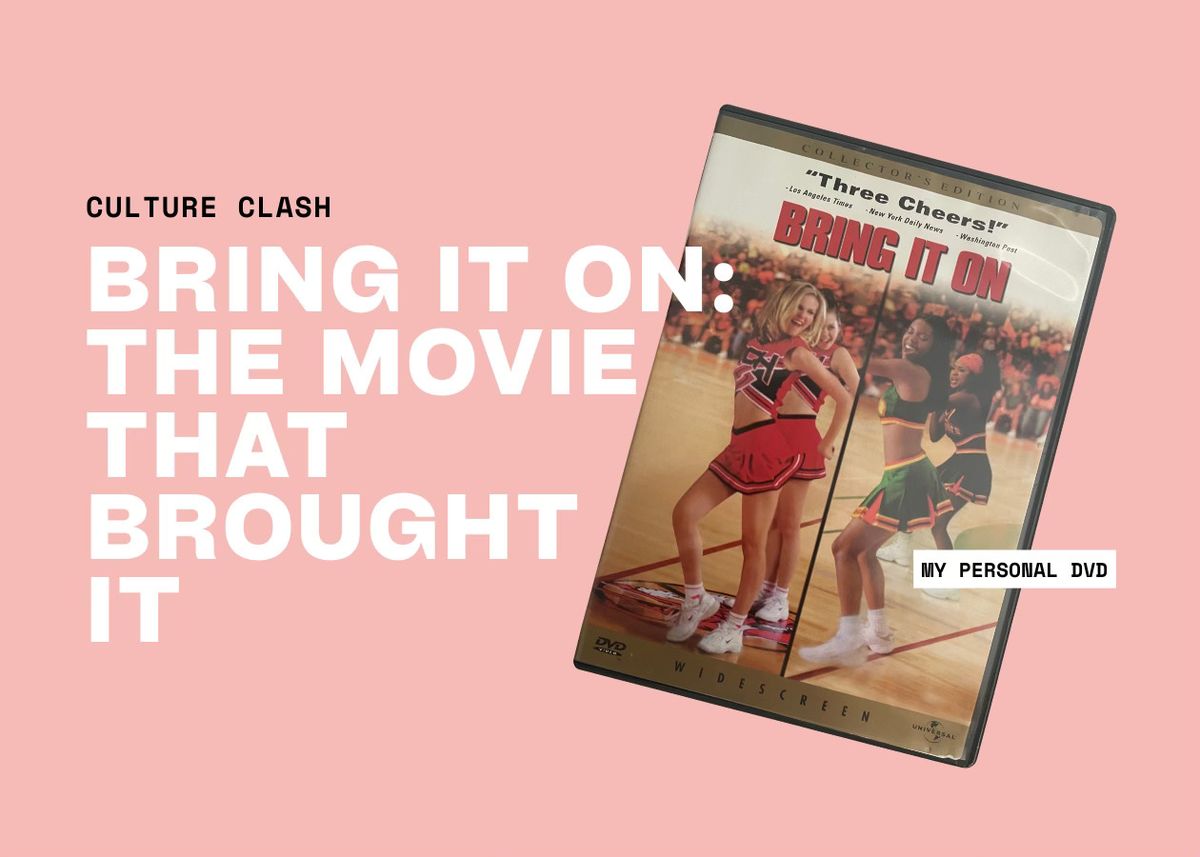
25 years ago today the cult classic movie that many dismiss as a fluffy chick flick or teen comedy, Bring it On, was released.
Bring it On is my favourite movie. I first fell in love as a kid, again as a teen, and now as a young woman I’ve doubled down. With every watch and I must be in the hundreds by now, I find something new to admire.
At first it was the cheer routines, the music, the girl power. Then the snippy humour. Now this pristine snapshot of 2000s culture offers me a healthy dose of nostalgia. And while not a monolith for all things Y2K, Bring it On offered us way more than people give credit for.
I don’t care if it’s cringe, I love it, and if you keep reading, maybe you’ll get why.
First Off: Surface level.
It checks all the boxes.
Great Cast.
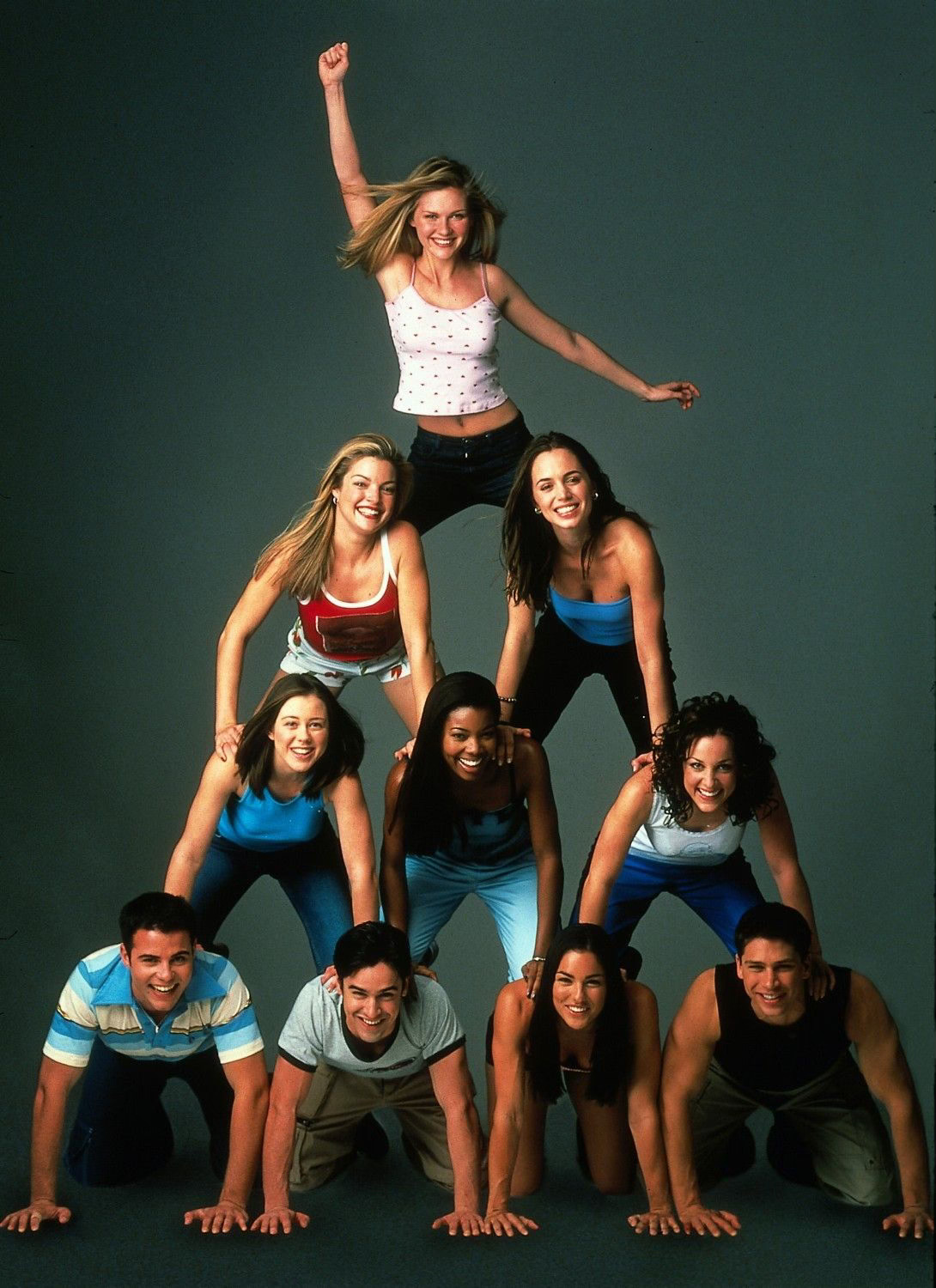
Kirsten Dunst as Torrance, Gabrielle Union as Isis, Eliza Dushku as Missy, and Jesse Bradford as Cliff and many more who make the film.
Quotable Lines (And Actions?)
"This is not a democracy, it's a cheer-ocracy,"
&
"Brrr, it's cold in here, there must be some Toros Clovers in the atmosphere"
Spirit Fingers. Full Stop.
A banger soundtrack.
The Outfits.
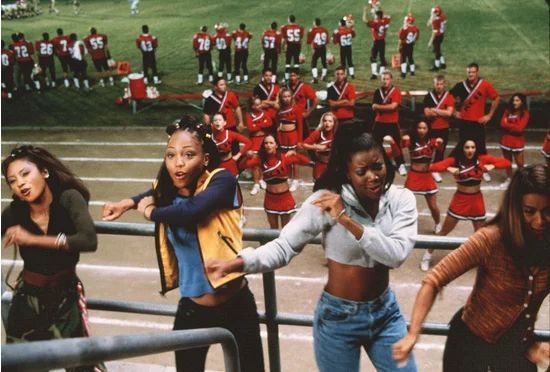
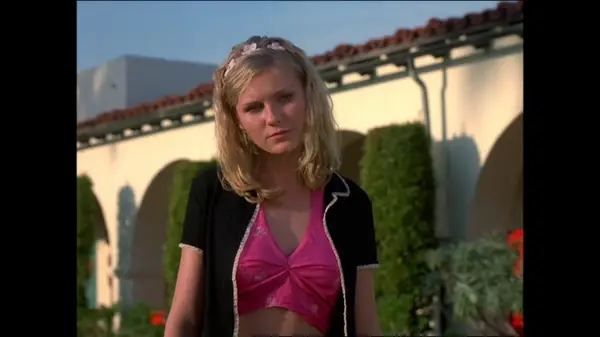
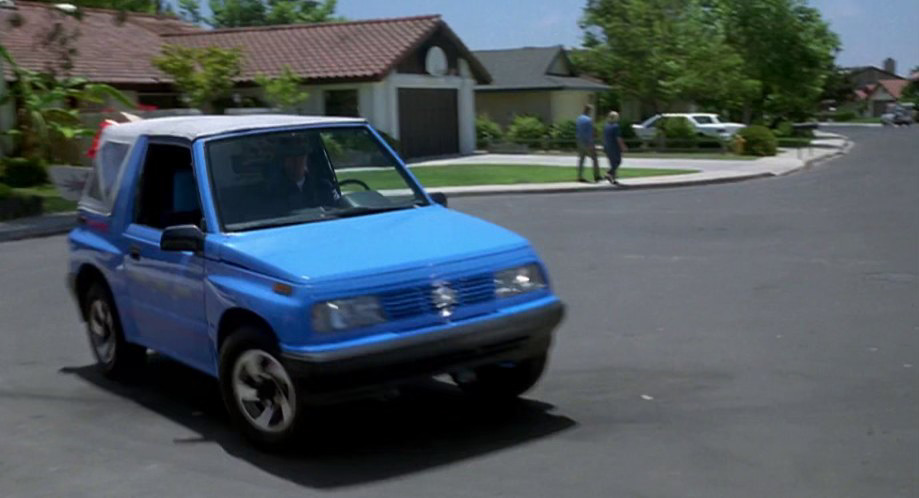
And an honourable mention for Aaron’s 1993 Geotracker.
*This post was almost late, I went on a marketplace side-quest. There is a pink one for sale 80km away.
Secondly: The Message.
Sure, is Bring it On representative of everyone’s high-school experience? No. Is there something for everyone to love or relate too? Hell ya. And the film does it all while brining it, in regard to addressing cultural appropriation, and systemic inequality. A story where being the best means competing against the best.
In recent years The Barbie Movie has acted as some sort of feminist awaking to many, yet Bring it On silently modelled intersectional feminism on the big screen (and DVD) behind a veil of tropes and comedy two and a half decades ago. It’s not a competition, but let’s give credit where credits due.
Looking back, the movie is quite provocative for a PG-13 rating, at least by today’s standards. But it is all in good faith of the cultural climate of the time. The language, sexualization, and innuendo helps to humanize the otherwise self-aware ‘teenagers’ on their journey of righting a wrong – making the film infinitely more palatable to general audiences.
This take is not universal, with other viewers reporting they will not under any circumstances show this film to their cheer teams for sexualizing the sport, and others prompting Reed to make a public reflection and defence for the inclusion of the slur fag twice in the film.
Reed later shared that the slur was used intentionally, once as hate-speech, and the second as a display of youthful language co-op, expressive of the gender politics in the movie (Reynolds, 2020). Which to me totally adds up given the context of the film.
As mentioned, some viewers have found issue in the overt sexualization of female bodies throughout the film. Yes, Bring it On leans into culturally normative methods of captivating audiences – sexualizing girls. It feels like an incongruent pairing, a movie about women repairing relationships with other women, through a shared sport, built on comradery and all that feel good stuff, met with clips overtly sexualizing women that are portraying high school girls.
The film does away with the traditional sense of the male-gaze where women are passive objects, solely framed for their bodies, and instead features women as both the active characters of the storyline and desired objects. This showcases, perhaps unintentionally, that maybe, just maybe, women are in on the bit – working with the constraints of the patriarchy rather than letting it fully encapsulate them. Playing outside the prescribed boundaries.
Bring it On, while having a PG-13 rating, is by no means a children’s movie, yet many young girls, myself included, find themselves intrigued by the cheer context. It is this merge of innocent and mature content that yields remarks on the framing of female bodies throughout the film – a valuable teaching of appropriation, culture, and friendship at this hallmark coming-of-age point that is high school creates a facade for powerful, sometimes explicit, representations that both make this movie and require, simply, a more developed or mature mind.
Critics of the sexualization of girls in Popular Culture, like Patrice Oppliger, are not prudish in their sentiments, but have a very valid concern for girls and young women considering a growing body of content, namely TV, Movies, and Magazines at the time of her writing, that showcase and reinforce to young women and girls that sex sells. She goes on to comment on cheerleading more generally, stating that from inception cheerleading has been to enhance the male experience, and has only unfolded to offer more revealing uniforms and sexual dance moves (Oppliger, 2008). There is compelling research into the ill effects of sexualization of young girls and women and I sympathize with those seeking to protect the younger generation – but in the same breath I argue that the use of sexualizing women in this film served a purpose. A purpose alike the other overt cultural representations, bridging on parody, the film is reflexive, and it is this constant reflexive process that engages the viewer – namely the white viewer, to engage with the idea of cultural dominance and appropriation.
Bring it On is a film that follows the turbulent journey to reconciling instances of appropriation. Sensationalizing the storyline and authentically painting a picture of the cultural era. This cult classic movie is more than a fluffy chick flick. Its offers a lesson (not about romance) and maintains what people expect from a teen-comedy - entertainment, at no one but the cheerleader trope’s expense.
There is so much more to say, but i’ll end it here. After all “This is not a democracy, it's a cheer-ocracy." ¯\_(ツ)_/¯
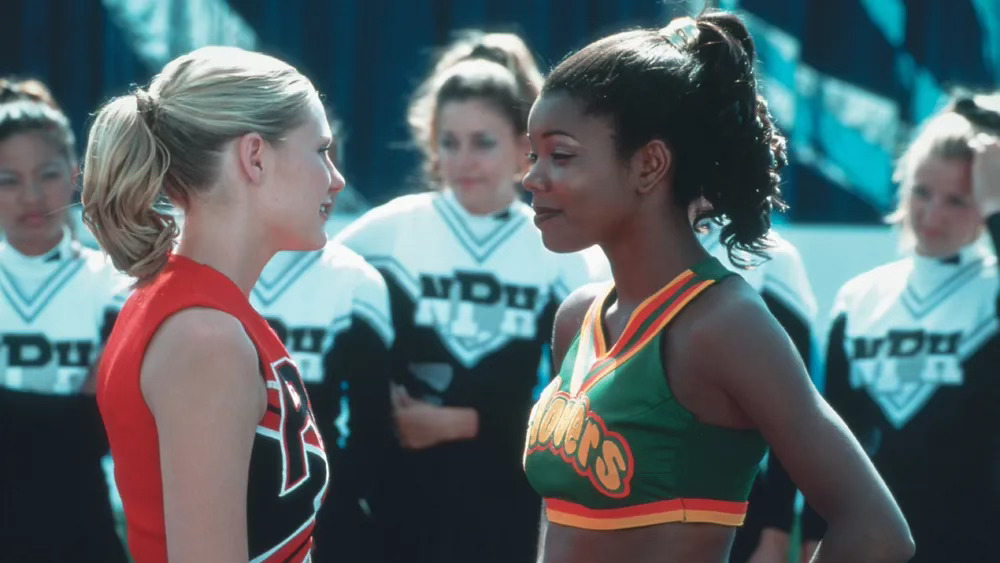
If you’ve never seen Bring it On or watched it too many times to count – watch it again, it really won’t disappoint.
If you want to read more about the films investigation of cultural appropriation and unpacking of racial privilege → Alexis Doryumu’s “‘Bring It On’ at 20: A Timeless Cult Classic Confronts Cultural Appropriation.”, is a great read.
References
Bring It On. Directed by Peyton Reed, IMDb, 2000, https://www.imdb.com/title/tt0204946/.
Oppliger, Patrice A. Girls gone skank: The sexualization of girls in American culture. McFarland, 2008.
Reynolds, Daniel. “'Bring It On' Director Explains 'Intentional' Use of Gay Slur.” Advocate.com, Advocate.com, 27 Aug. 2020, https://www.advocate.com/film/2020/8/27/bring-it-director-explains-intentional-use-gay-slur#toggle-gdpr.